

Grinders
A good grinder outlives every other piece you own. These 245 are the ones worth owning — Blue Bus fine tools, Puff Puff Pass, BLUEBUSFINETOOLS — from pocket two-pieces to four-piece kief machines starting at $9.75.
If you're only buying one: get a four-piece aluminum with a kief catcher. Sharp teeth, smooth threads and that bottom chamber quietly saving up for a rainy day.
Keep exploring: All Things Silicone · Accessories · Extractors & Infusers · Best Sellers · Extractors · Bongs For Sale


-
4-Part Metal Herb Grinder “Prism Cap” – Rainbow – 2½″
Vendor:Primate Glass
Regular price $44.98 USDRegular priceUnit price per$44.99 USDSale price $44.98 USDSale -
Plastic Soda Can 2-in-1 Bong & Grinder “Pop-Top Perk” – 4½″ – Assorted
Vendor:Regular price $29.98 USDRegular priceUnit price per$29.99 USDSale price $29.98 USDSale -
Rainbow Metal 3-Part Soda Can Herb Grinder “Pop-Top” – 1½″
Vendor:Regular price $26.98 USDRegular priceUnit price per$26.99 USDSale price $26.98 USDSale -
Metal Mushroom 4-Part Grinder “Cap Slide” – Dispenser – 2¼″ – Assorted Colors
Vendor:Regular price $39.98 USDRegular priceUnit price per$39.99 USDSale price $39.98 USDSale -
MedTainer 20 Dram Smell Proof Grinder Jar – US-Made – Assorted Colors
Vendor:Medtainer
Regular price $14.99 USDRegular priceUnit price per -
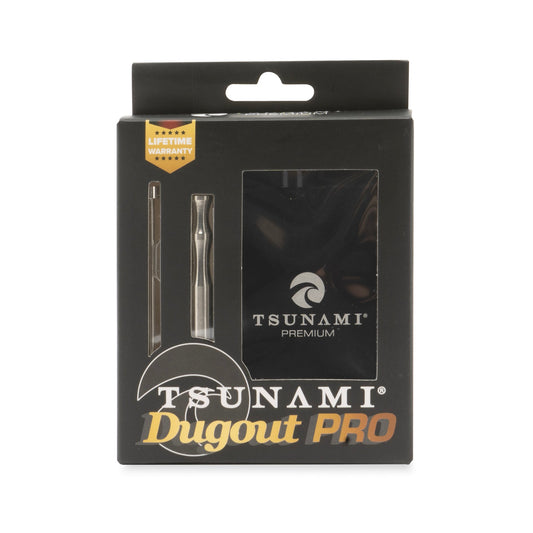
Tsunami Dugout Pro
Vendor:Tsunami
Regular price $25.00 USDRegular priceUnit price per -
Tsunami Sunken Top 63mm 4-Piece Grinder
Vendor:Regular price $19.59 USDRegular priceUnit price per -
Tsunami Sunken Top 100mm 4-Piece Grinder
Vendor:Regular price $45.00 USDRegular priceUnit price per -
Tsunami Sunken Top 50mm 4-Piece Grinder
Vendor:Regular price $16.00 USDRegular priceUnit price per -
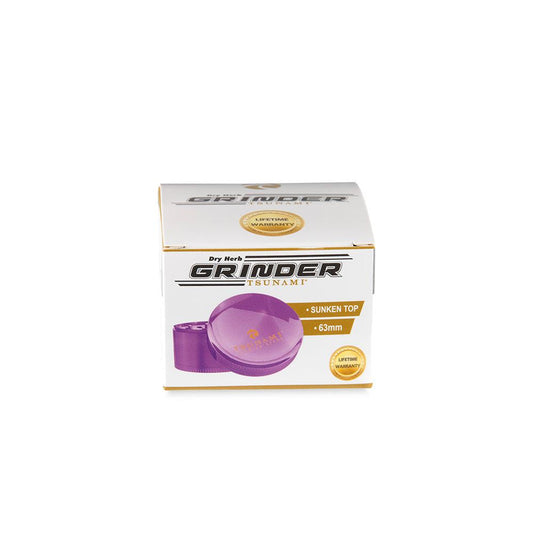
Tsunami Grinder - 63mm - Purple
Vendor:Regular price $20.00 USDRegular priceUnit price per -
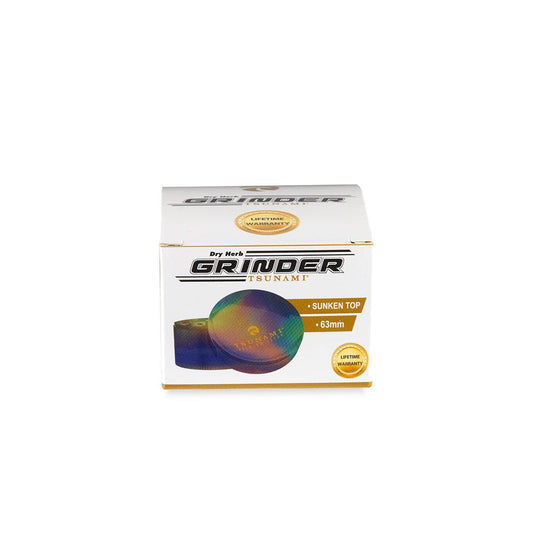
Tsunami Grinder - 63mm - Rainbow
Vendor:Regular price $20.00 USDRegular priceUnit price per -
Tsunami Sunken Top 50mm 4-Piece Grinder Purple
Vendor:Regular price $16.00 USDRegular priceUnit price per -
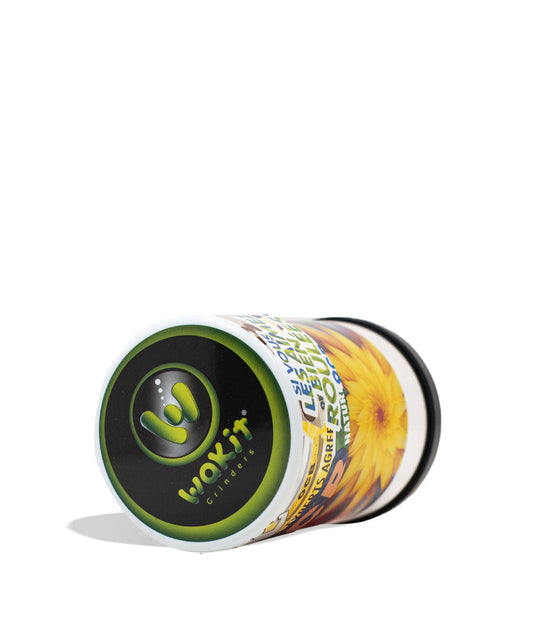
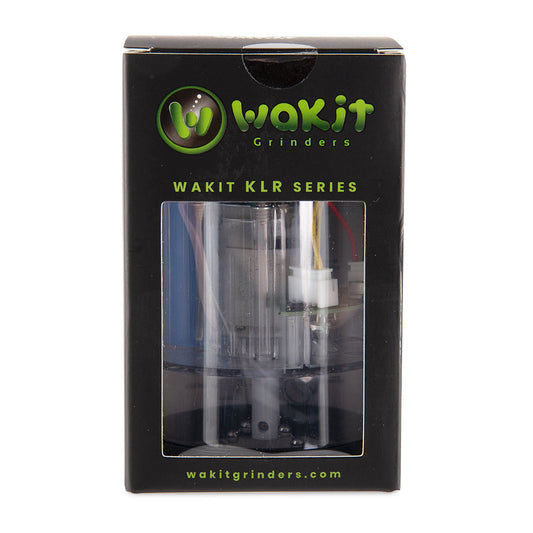
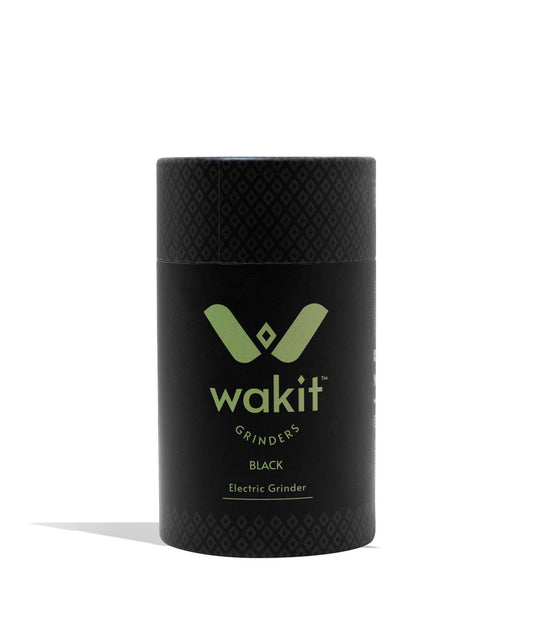
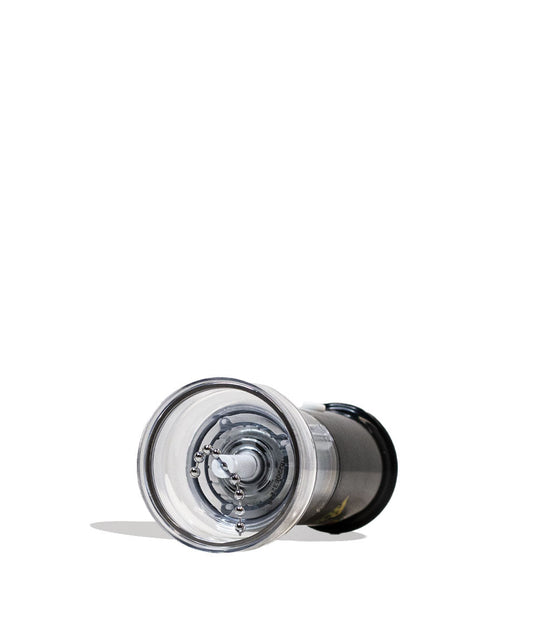
Wakit Grinder KLR Series - Black
Vendor:Wakit Grinders
Regular price $59.99 USDRegular priceUnit price per -
Magnetic Tsunami Dugout Grinder
Vendor:Regular price $24.00 USDRegular priceUnit price per -
Wakit x OCB Rechargeable Electric Grinder
Vendor:Regular price $64.99 USDRegular priceUnit price per -
Tsunami Sunken Top 75mm 4-Piece Grinder
Vendor:Regular price $22.00 USDRegular priceUnit price per -
Wakit Grinder KLR Series - Lucid
Vendor:Regular price $59.99 USDRegular priceUnit price per -
PANDA PIZZA WACKY GRINDER
Vendor:Wacky Grinderz
Regular price From $16.98 USDRegular priceUnit price per$16.99 USDSale price From $16.98 USDSale -
Wakit KLR Series Rechargeable Electric Grinder
Vendor:Regular price $64.99 USDRegular priceUnit price per -
Wakit RollBotz Robokone Koala Electric Grinder and Cone Filler
Vendor:Regular price $99.99 USDRegular priceUnit price per -
Wakit RollBotz Robokone Electric Grinder and Cone Filler
Vendor:Regular price $59.98 USDRegular priceUnit price per$99.99 USDSale price $59.98 USDSale -
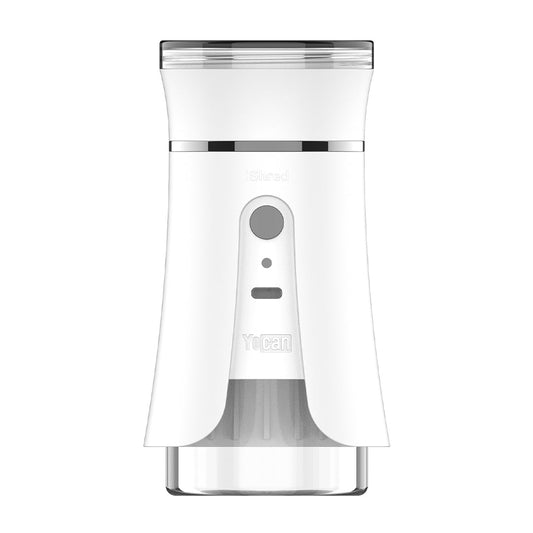
Yocan iShred Electric Grinder
Vendor:Yocan
Regular price $37.99 USDRegular priceUnit price per$38.00 USDSale price $37.99 USDSale -
Wakit Koala Rechargeable Electric Grinder
Vendor:Regular price $64.99 USDRegular priceUnit price per -
BLACK MOTH WACKY GRINDER
Vendor:Regular price From $16.98 USDRegular priceUnit price per$16.99 USDSale price From $16.98 USDSale

















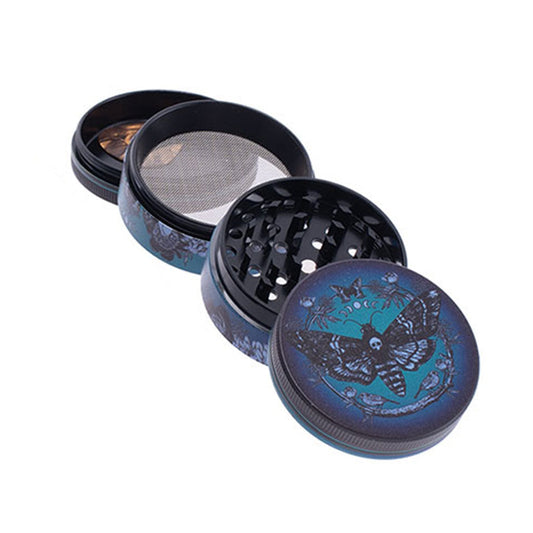
What Are Grinders?
A grinder is a small, handheld tool that breaks down dried herb into a uniform, fine consistency. The device typically contains a series of interlocking teeth that shred the material when the lid is twisted. Most modern grinders also include a pollen screen and a collection compartment for kief, giving you extra value from every gram you grind.
How to Choose
Size and Height
Grinders range from pocket‑sized 1‑inch models to larger 2‑inch or 2.2‑inch units. Smaller tools are great for on‑the‑go sessions, while larger grinders can hold more herb and make it easier to fill a bowl without spilling. Consider where you’ll store the grinder most often—inside a pocket, a stash box, or a travel case.
Number of Pieces and Chamber Layout
The classic design uses two, three, or four pieces. Two‑piece grinders simply shred and collect, whereas three‑piece units add a kief screen. Four‑piece grinders separate the grinding chamber, a fine‑mesh screen, a kief catcher, and a storage compartment. If you value kief, a four‑piece model often justifies the extra cost.
Material
Aluminum is the most common material because it’s lightweight, durable, and easy to machine. Premium options include zinc‑alloy alloys that resist corrosion, while titanium and stainless‑steel variants add heft and a premium feel. Some niche grinders incorporate silicone or acrylic for a softer grip, but metal generally offers the best longevity and grinding efficiency.
Budget
Entry‑level grinders start around $6 and provide basic functionality. Mid‑range models between $15 and $30 often feature tighter tolerances, smoother twists, and better kief screens. High‑end grinders—those with precision‑machined teeth, magnetic lids, or exotic finishes—can exceed $40. Decide how often you’ll grind and whether you need the extra features before splurging.
Types & Styles
Beyond the standard metal designs, the market offers specialty grinders that cater to different preferences. Some users love the sleek aesthetic of an all‑metal storage and stash system that doubles as a grinder, while others appreciate a minimalist, low‑profile tool that slides easily into a pocket. If you pair your grinder with a reliable lighter, you’ll notice the difference in how quickly the herb ignites—especially when using torches and lighters that produce a steady, high‑temperature flame. For those who roll joints, a grinder that produces a consistent, medium‑fine grind works best with high‑quality rolling papers and cones. When you need to prep larger quantities for a bowl or pipe, a grinder that integrates a joint roller can streamline the process, letting you grind and roll in one sitting. Finally, pairing your grinder with blunt wraps ensures the herb is evenly distributed, preventing uneven burning and maximizing flavor.
Care & Cleaning
Regular maintenance keeps your grinder operating smoothly and prevents resin buildup that can affect taste. Follow these steps:
- Disassemble all pieces after each use.
- Tap out loose herb and kief into a clean container.
- Brush the teeth with a soft paintbrush or a dedicated grinder brush.
- If resin is stubborn, soak the metal parts in isopropyl alcohol for 5‑10 minutes, then rinse thoroughly and dry completely.
- Reassemble only when every component is dry to avoid rust.
For silicone‑coated grinders, warm soapy water is sufficient; avoid harsh chemicals that could degrade the coating. A quick wipe with a dry cloth before each session helps maintain a smooth twist and extends the lifespan of the magnetic lid.