
Collection: Percolator Bongs
Percolators break your smoke into clouds of tiny bubbles for serious cooling and filtration. Tree, honeycomb, matrix, inline, UFO — each style trades smoothness against drag, and we stock them all from the brands that engineer them right.
Keep exploring: Bongs For Sale · Beaker Bongs · Recyclers · Ash Catchers


-
Summit 12" Rock Glass Cone Perc Bong
Vendor:Glass House DistroRegular price $59.98 USDRegular priceUnit price per$59.99 USDSale price $59.98 USDSale -
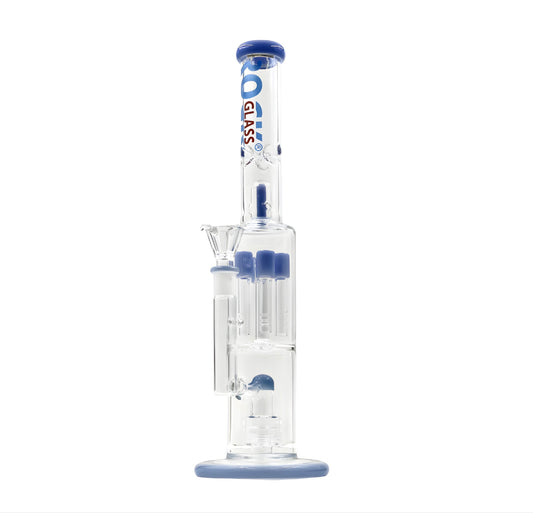
Sequoia 16" Rock Glass Dual Tree Perc Bong
Vendor:Glass House DistroRegular price $99.98 USDRegular priceUnit price per$99.99 USDSale price $99.98 USDSale -
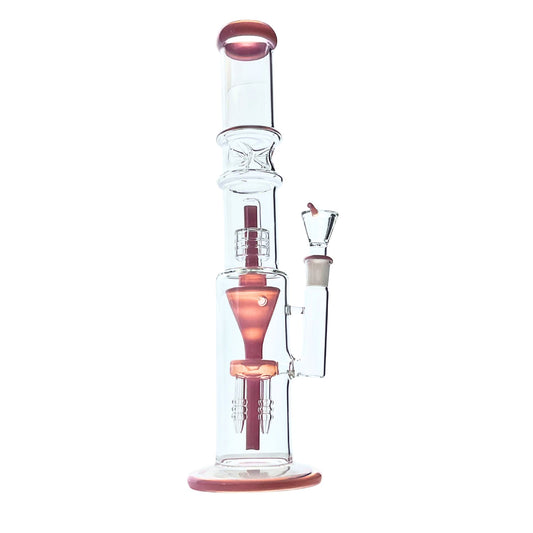
Rock Glass 16" Cyclone Chamber Perc Bong
Vendor:Glass House DistroRegular price $98.99 USDRegular priceUnit price per$114.99 USDSale price $98.99 USDSale -
Rock Glass 16" Aurora Triple-Stage Matrix Perc Bong
Vendor:Glass House DistroRegular price $98.99 USDRegular priceUnit price per$114.99 USDSale price $98.99 USDSale -
Cobalt Contour 8" Rock Glass Tree Perc Bong
Vendor:Glass House DistroRegular price $49.98 USDRegular priceUnit price per$49.99 USDSale price $49.98 USDSale -
RockCascade 10” Tree Perc Glass Bong
Vendor:Glass House DistroRegular price $64.98 USDRegular priceUnit price per$64.99 USDSale price $64.98 USDSale -
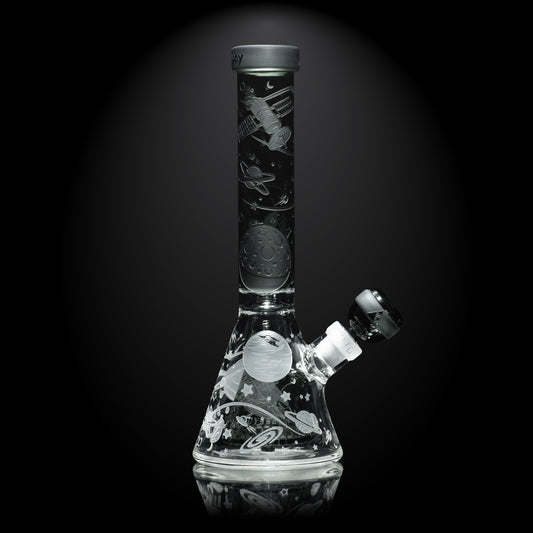
Space Odyssey in 3D 11" Beaker Bong with Collins Perc
Vendor:Multiverse EnterpriseRegular price From $189.99 USDRegular priceUnit price per -
Golden goat beaker with built in percolator
Vendor:golden goat quartzRegular price $79.98 USDRegular priceUnit price per$79.99 USDSale price $79.98 USDSale -
Stack Perc Mini 9" Beaker Bong
Vendor:Multiverse EnterpriseRegular price $99.99 USDRegular priceUnit price per -
Stack Perc 14" Beaker Bong
Vendor:Multiverse EnterpriseRegular price $124.99 USDRegular priceUnit price per -
Rock Glass 6” Mini Perc Bong
Vendor:Glass House DistroRegular price $29.98 USDRegular priceUnit price per$29.99 USDSale price $29.98 USDSale -
FrostStack 14” Tree Perc Bong
Vendor:Glass House DistroRegular price $89.98 USDRegular priceUnit price per$89.99 USDSale price $89.98 USDSale -
The 20" Rock Titan Multi-Perc Bong
Vendor:Glass House DistroRegular price $119.98 USDRegular priceUnit price per$139.99 USDSale price $119.98 USDSale -
PureFlow 8” Diffused Perc Bong
Vendor:Glass House DistroRegular price $49.98 USDRegular priceUnit price per$49.99 USDSale price $49.98 USDSale -
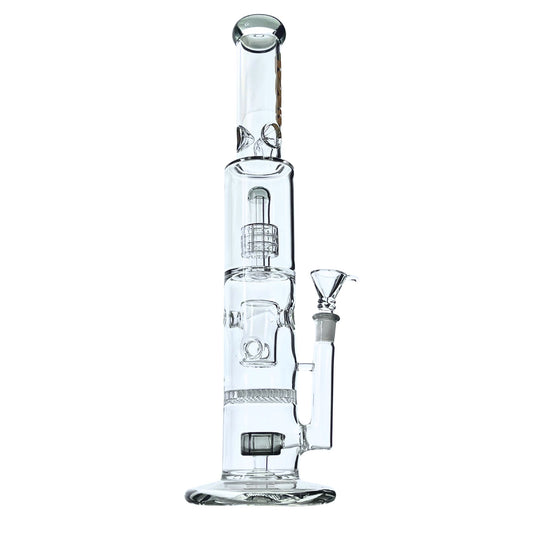
Rock Glass 16" Double Perc Bong
Vendor:Glass House DistroRegular price $99.98 USDRegular priceUnit price per$99.99 USDSale price $99.98 USDSale -
Rock Glass 7" Inline Perc Tube Bong
Vendor:Glass House DistroRegular price $34.98 USDRegular priceUnit price per$34.99 USDSale price $34.98 USDSale -
Twin-Pulse 12" Dual-Stage Percolator Bong
Vendor:Glass House DistroRegular price $59.98 USDRegular priceUnit price per$74.99 USDSale price $59.98 USDSale -
Luau 7" Rock Glass Pineapple Perc Bong
Vendor:Glass House DistroRegular price $49.98 USDRegular priceUnit price per$49.99 USDSale price $49.98 USDSale -
Glass Stemless GOG Straight Shooter Bong “Perc Parade” – 15″ – Assorted Colors
Vendor:Primate Glass
Regular price $149.98 USDRegular priceUnit price per$149.99 USDSale price $149.98 USDSale -
Glass Light Bulb Dab Straw Kit “Glow Core” – Tree Perc – 8″
Vendor:Regular price $49.98 USDRegular priceUnit price per$49.99 USDSale price $49.98 USDSale -
ROOR Tech 18" 5 mm GOG Straight Shooter – Multi-Perc Ice Pinch Tube
Vendor:RooR
Regular price $449.98 USDRegular priceUnit price per$449.99 USDSale price $449.98 USDSale -
Glass Bong “Ricky” – Fluid-Filled – Showerhead Perc – 5½″
Vendor:Regular price $104.98 USDRegular priceUnit price per$104.99 USDSale price $104.98 USDSale -
ROOR Tech Stemless Straight Tube Bong – Multi Percs – 18″ – 5 mm
Vendor:Regular price $449.98 USDRegular priceUnit price per$449.99 USDSale price $449.98 USDSale -
Delusion Straight Shooter Glass Bong – 12″ – 9-Arm Tree Perc – Assorted Colors
Vendor:Regular price $84.98 USDRegular priceUnit price per$84.99 USDSale price $84.98 USDSale









What Are Percolator Bongs?
A percolator bong is a glass water pipe that adds an extra layer of filtration beyond a simple downstem. Inside the base, one or more percolators—tiny tubes, screens, or honeycomb structures—break the smoke into fine bubbles. Those bubbles travel through water, cooling and filtering the vapor before it reaches your lungs. The result is smoother hits, less harshness, and a more flavorful experience. Percolator bongs come in a range of heights, joint sizes, and percolator designs, letting you fine‑tune the balance between airflow and diffusion.
How to Choose
Size & Height
Height directly affects the amount of water your bong can hold. A taller rig, like a 16‑inch UFO arm, gives you a larger water chamber, which can produce cooler, smoother hits. Shorter pieces, such as a 12‑inch commander, are easier to transport and fit in tighter spaces. Think about where you’ll store the bong and whether you’ll be moving it often.
Joint Size & Gender
The joint connects the bowl to the main chamber. Common sizes are 10 mm, 14 mm, and 18 mm. Smaller joints (10 mm) offer a tighter fit and a more compact look, while 18 mm provides a wider airflow and easier bowl swaps. Gender matters only if you plan to mix and match accessories—most percolator bongs use male (threaded) joints, but some beaker styles feature female ports.
Percolation
Percolator designs range from simple tree percs to complex double‑UFO systems. Tree percs disperse smoke through multiple arms, delivering a balanced diffusion. Double‑UFO rigs push the smoke through two chambers of bubbles, ideal for heavy cloud seekers. Single‑arm percs, like the 18‑inch Hitter, give a more direct draw with a modest cooling effect. Choose a percolator based on how much resistance you enjoy—more bubbles mean a smoother hit but slightly reduced airflow.
Material
Most percolator bongs are made from borosilicate glass, which resists thermal shock and holds up to repeated heating. Silicone options are ultra‑durable and virtually unbreakable, perfect for travel or a rough environment. Quartz percs are sometimes incorporated for extra durability and a clean taste, but they’re less common in full‑glass rigs. Consider how often you’ll clean the piece and whether you need a break‑proof option.
Budget
Percolator bongs span a wide price range. Entry‑level rigs start around $70, while premium double‑UFO or large beaker designs can exceed $200. Remember that a higher price often reflects thicker glass walls, more intricate percolators, and better craftsmanship. Set a realistic budget, then prioritize the features that matter most to you—whether it’s size, percolation complexity, or material durability.
Types & Styles
If you’re new to percolators, start with a classic Bongs model that features a single tree perc for reliable diffusion. For a deeper water chamber and a distinctive silhouette, explore our Beaker Bongs collection, where the wide base adds stability and extra cooling. Travelers often gravitate toward Mini Bongs, which pack a percolator into a compact, portable form factor. When durability is paramount, our Silicone Bongs line delivers the same percolation benefits without the fragility of glass. Finally, for an ultra‑smooth experience, check out Ice Bongs, which incorporate ice catchers alongside percolators for an extra chill factor.
Care & Cleaning
Keeping a percolator bong clean maintains flavor, prevents resin buildup, and extends the life of your glass. Follow these steps after each use:
- Rinse the rig with warm water to loosen loose particles.
- Fill the base with isopropyl alcohol (90%+ works best) and add a tablespoon of coarse salt as an abrasive.
- Seal the openings and shake gently for 2‑3 minutes. The salt scrubs the percolator chambers while the alcohol dissolves resin.
- Empty the solution, rinse thoroughly with warm water, and let the bong air‑dry upside down.
- For stubborn buildup, soak the percolator components in a dedicated glass cleaner overnight, then repeat the shaking step.
Avoid using harsh chemicals or abrasive pads on glass, as they can scratch the surface and affect percolation. Silicone rigs can be cleaned with the same alcohol‑salt method, but a mild dish soap rinse works just as well.